Money awareness is the foundation of financial strength. You cannot change what you do not understand, and you cannot grow what you never take the time to examine. Becoming aware of your money—your habits, your patterns, your emotions, your goals—gives you the clarity needed to make powerful decisions. Money awareness isn’t about judgment; it’s about understanding. It’s the moment you begin looking at your finances with honesty rather than avoidance, curiosity rather than fear, and clarity rather than confusion. Awareness turns chaos into direction and overwhelm into empowerment.

When you become aware of your money, your life begins to shift. You start recognizing spending habits you once ignored, identifying emotional triggers you didn’t realize were controlling your choices, and understanding how your mindset influences your financial outcomes. Awareness reveals the truth—not to shame you, but to free you. It gives you the ability to plan, save, earn, and make decisions that support your future rather than sabotage it. Money awareness is not a final destination; it is a lifelong practice that strengthens your confidence, deepens your clarity, and aligns your choices with the life you want to build.
“Money awareness begins the moment you stop avoiding your financial reality.”
Avoidance keeps you stuck in fear, but awareness opens the door to clarity. When you finally look at your spending, income, debts, and habits, you take the first step toward understanding and empowerment. Awareness removes the mystery that fuels anxiety.
This shift creates momentum. Once you see your numbers clearly, you gain the ability to make intentional decisions rather than reactive ones. Awareness transforms fear into direction and uncertainty into control.
“You gain financial power when you understand exactly where your money is going.”
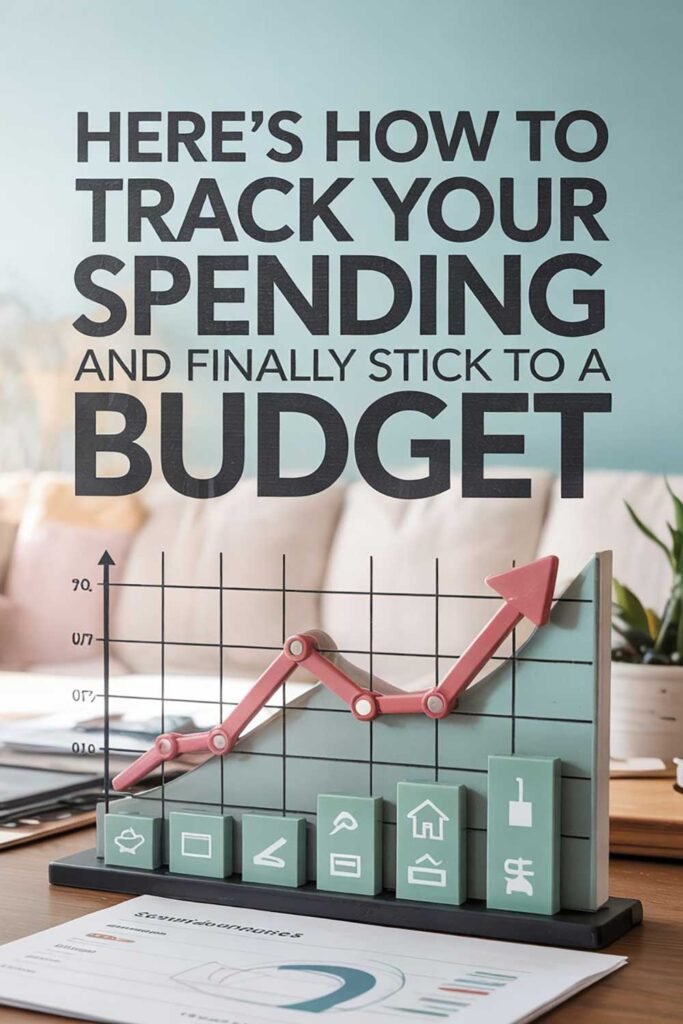
Money slips away quickly when you stop paying attention to it. Tracking your spending brings awareness to patterns that quietly drain your financial life. When you know where your money goes, you reclaim control.
This understanding helps you redirect your resources toward your goals rather than your impulses. Awareness becomes the foundation for budgeting, planning, and improving your financial habits.
“Money awareness means recognizing your emotional triggers before they turn into expenses.”
Emotional spending often disguises itself as convenience or reward, but awareness exposes the truth. When you understand what feelings drive your spending—stress, boredom, loneliness, excitement—you can interrupt the pattern.
This emotional clarity empowers you. You begin choosing healthier ways to cope and more intentional ways to spend. Awareness helps you separate your emotions from your financial decisions.
“You strengthen your financial life when you’re honest about the habits that keep you stuck.”
Awareness requires truth. When you acknowledge the habits that hold you back—overspending, avoidance, impulsive purchases—you create space for change. Honesty is the beginning of transformation.
This honesty builds discipline and self-respect. You stop hiding from your choices and start understanding them. Awareness gives you the strength to make better decisions moving forward.
“Money awareness is the ability to pause and question your decisions before acting on impulse.”
When you pause, you create space for intention. This moment of awareness helps you ask whether a purchase aligns with your goals or simply satisfies a temporary emotion.
This pause becomes a powerful habit. It prevents regret, strengthens discipline, and builds confidence in your financial choices. Awareness gives you control in moments where impulse once ruled.
“Awareness turns your financial goals from vague ideas into actionable steps.”
Knowing your goals is not enough—you must understand what behaviors bring you closer to them and what behaviors push you further away. Awareness transforms dreams into clear direction.
This clarity fuels your motivation. You begin taking more intentional steps because you understand the path. Awareness turns vision into a roadmap.
“Money awareness means understanding the difference between needs, wants, and habits.”
Many spending decisions aren’t driven by necessity—they’re driven by routine. When you become aware of the difference, you stop confusing habitual spending with essential spending.
This insight frees your resources. You gain the ability to redirect money toward things that genuinely matter. Awareness becomes the filter that refines your financial life.
“Financial awareness grows when you track your progress, not just your expenses.”
Seeing where your money goes is important, but seeing how far you’ve come is equally powerful. Awareness includes celebrating progress and acknowledging improvement.
This recognition strengthens your confidence. It keeps you motivated and committed to your goals. Awareness of progress builds momentum toward long-term growth.
“Money awareness means knowing your financial triggers so they no longer control your decisions.”
Triggers operate in the background until you shine a light on them. When you understand what situations, emotions, or environments cause you to overspend, you reclaim control.
This knowledge allows you to break cycles. You start responding with intention instead of reacting automatically. Awareness is the key to disrupting old patterns.
“Awareness transforms your budget from a restriction into a guide.”
When you truly understand your spending patterns and financial needs, budgeting becomes easier and more meaningful. Awareness helps you build a plan that reflects your actual life—not a fantasy version of it.
This shift makes budgeting sustainable. You begin viewing your budget as a supportive tool rather than a limitation. Awareness gives your plan purpose and flexibility.
“Money awareness is the foundation of financial stability.”
Without awareness, money feels messy and unpredictable. But when you understand your numbers, your behaviors, and your motivations, your finances become steadier and more grounded.
This foundation gives you confidence. You stop guessing and start making decisions that support your long-term stability. Awareness becomes your anchor in stressful moments.
“Awareness helps you identify the leaks that quietly drain your money.”
Small expenses can accumulate into large problems when left unnoticed. Awareness brings these leaks into view so you can correct them before they cause damage.
This insight strengthens your discipline. It helps you preserve your financial resources and direct them toward meaningful goals. Awareness is a form of protection.
“Money awareness means seeing opportunities you once overlooked.”
When your mind is clouded by stress or avoidance, opportunities feel invisible. Awareness clears the fog, helping you recognize ways to save, earn, invest, or improve your situation.
This heightened perception expands your potential. You begin taking advantage of chances that once passed you by. Awareness widens your financial horizon.
“Awareness teaches you that money is not just numbers—it’s behavior, emotion, and mindset.”
Understanding money requires more than math. It requires noticing how your beliefs, triggers, and patterns influence your financial decisions. Awareness reveals the deeper layers beneath your actions.
This understanding brings empowerment. You gain insight into why you behave the way you do and how to improve. Awareness helps you build a healthier relationship with money from the inside out.
“Money awareness helps you break the cycle of unconscious spending.”
Many purchases happen automatically, without thought. Awareness interrupts this cycle, giving you a moment to question whether the spending aligns with your values or goals.
This interruption creates change. It trains your brain to make conscious choices and helps you reclaim control over your financial behavior. Awareness turns autopilot off.
“Financial awareness grows every time you review your decisions with curiosity instead of judgment.”
Judgment shuts down progress, but curiosity opens it. When you review your decisions with curiosity, you learn about yourself without shame. This learning becomes fuel for better choices.
This shift makes growth easier. You become more willing to improve because you’re no longer punishing yourself for mistakes. Awareness builds emotional resilience.
“Money awareness means knowing your financial patterns so you can finally break them.”
Patterns repeat until you consciously interrupt them. Awareness helps you identify the behaviors that keep you stuck and gives you the clarity needed to shift them.
This clarity leads to transformation. You begin creating new patterns that support your vision rather than undermine it. Awareness becomes your turning point.
“Awareness is the first step toward financial freedom.”
You cannot build freedom on a foundation of confusion or avoidance. Awareness gives you the information you need to create structure, develop discipline, and build wealth.
This understanding empowers you. Freedom becomes possible because you finally see your financial reality clearly. Awareness is the beginning of every breakthrough.
Picture This
Imagine becoming fully aware of your money—your habits, your choices, your emotions, your goals. You look at your numbers with confidence rather than fear. You understand yourself more deeply. You feel in control, grounded, and capable. Money becomes less chaotic and more intentional because awareness is guiding your decisions.
Now imagine months from now—your patterns transformed, your spending aligned, your confidence expanded. You catch yourself making smarter choices without effort because awareness has reshaped your instincts. Your financial life feels lighter, clearer, and more empowered. You’re no longer guessing—you’re leading.
How would your life change if money awareness became your new default instead of your occasional focus?
Please Share This Article
If this article brought clarity, motivation, or self-awareness, please share it with someone who is ready to deepen their financial awareness too.
Disclaimer
This article is for informational and inspirational purposes only. Results may vary. Always consult a licensed financial, legal, or tax professional before making financial decisions. We disclaim responsibility for any outcomes.