How to Recognize and Avoid Burnout Before It Hits
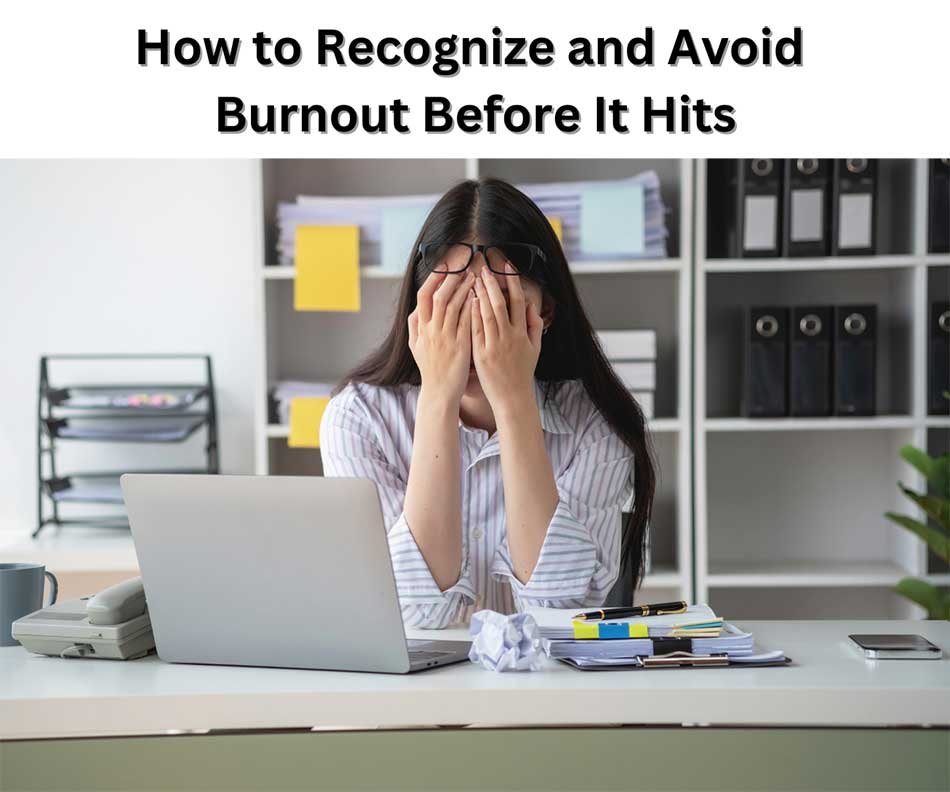
Burnout is a state of emotional, mental, and physical exhaustion caused by prolonged stress. It can affect anyone, from overworked professionals to caregivers and students. Recognizing the early signs of burnout and taking proactive steps to prevent it can save your well-being and keep you performing at your best. This guide explores how to identify burnout and strategies to avoid it before it takes hold.

What Is Burnout?
Burnout is more than just feeling tired; it’s a chronic state of stress that impacts your energy, motivation, and ability to cope. Key characteristics of burnout include:
- Emotional Exhaustion: Feeling drained and overwhelmed.
- Cynicism or Detachment: Losing interest or feeling indifferent toward work or responsibilities.
- Reduced Performance: Struggling to concentrate and complete tasks.
Early Signs of Burnout
Recognizing burnout early can prevent it from escalating. Look out for:
- Physical Symptoms:
- Persistent fatigue or low energy.
- Headaches, muscle tension, or digestive issues.
- Emotional Symptoms:
- Increased irritability or frustration.
- Feeling unmotivated or detached.
- Frequent mood swings or sadness.
- Behavioral Changes:
- Difficulty concentrating or making decisions.
- Withdrawal from social activities.
- Neglecting personal needs or self-care.
Common Causes of Burnout
- Excessive Workload: Constantly juggling too many responsibilities.
- Lack of Control: Feeling powerless over your schedule or decisions.
- Poor Work-Life Balance: Neglecting personal time in favor of work.
- Unrealistic Expectations: Setting unattainable goals for yourself.
- Lack of Support: Feeling isolated or unsupported by peers or loved ones.
How to Avoid Burnout
1. Set Boundaries
Protect your time and energy by setting limits on work and personal commitments.
- How to Start:
- Learn to say no to unnecessary tasks.
- Set work hours and stick to them.
- Communicate your boundaries clearly to colleagues or loved ones.
2. Practice Self-Care
Prioritizing your well-being helps you recharge and stay resilient.
- How to Start:
- Schedule regular exercise, even if it’s a short walk.
- Maintain a balanced diet and stay hydrated.
- Incorporate relaxation techniques like yoga or meditation.
3. Prioritize Sleep
Quality sleep is essential for stress recovery and mental clarity.
- How to Start:
- Establish a calming bedtime routine.
- Avoid screens at least an hour before bed.
- Aim for 7-8 hours of uninterrupted sleep.
4. Break Tasks Into Smaller Steps
Tackling smaller, manageable tasks prevents overwhelm and boosts motivation.
- How to Start:
- Use a planner to prioritize and break down tasks.
- Focus on one task at a time to build momentum.
5. Foster Supportive Relationships
Connecting with others can provide emotional support and reduce feelings of isolation.
- How to Start:
- Share your feelings with a trusted friend or family member.
- Join a community or support group with shared experiences.
6. Take Regular Breaks
Stepping away from work refreshes your mind and prevents fatigue.
- How to Start:
- Follow the Pomodoro Technique: Work for 25 minutes, then take a 5-minute break.
- Use lunch breaks to disconnect and recharge.
7. Seek Professional Help
If burnout symptoms persist, consulting a therapist or counselor can provide valuable support and strategies.
Tools to Help Prevent Burnout
- Apps: Tools like Calm, Headspace, or Insight Timer for mindfulness and relaxation.
- Time Management: Use Trello, Notion, or Google Calendar to organize your tasks.
- Books: “Burnout: The Secret to Unlocking the Stress Cycle” by Emily Nagoski and Amelia Nagoski.
Encourage Others
Burnout affects many people, but awareness and proactive measures can make a difference. Share this guide with friends, family, or colleagues who might benefit from these strategies.
Picture This
Imagine feeling energized and motivated every day, free from the weight of overwhelming stress. You confidently manage your workload and maintain balance, prioritizing your well-being without guilt. Picture yourself thriving, supported by healthy habits and clear boundaries, ready to face challenges with focus and resilience.
What step will you take today to recognize and prevent burnout?