Healthy Boundaries: The Key to Stronger Relationships and Personal Growth
Why Healthy Boundaries Matter
Boundaries are essential for maintaining healthy relationships, protecting our well-being, and fostering mutual respect. They define what is acceptable and unacceptable in our interactions with others. Without clear boundaries, we may experience burnout, resentment, and unhealthy dynamics in our personal and professional lives.

Setting and enforcing healthy boundaries allows us to prioritize our needs while maintaining meaningful connections. But how do we establish boundaries without feeling guilty or causing conflict? Let’s explore how boundaries can improve relationships and overall well-being.
Understanding the Different Types of Boundaries
1. Physical Boundaries
Physical boundaries involve personal space, touch, and physical needs. Everyone has different comfort levels regarding proximity and contact.
Examples:
- Expressing discomfort when someone stands too close
- Setting limits on who can hug you
- Respecting others’ personal space
2. Emotional Boundaries
Emotional boundaries involve protecting your feelings and mental well-being. They help differentiate your emotions from others’ emotions and prevent emotional exhaustion.
Examples:
- Saying “I understand how you feel, but I need time to process my own emotions.”
- Avoiding taking responsibility for someone else’s happiness
- Not allowing others to manipulate your emotions
3. Time Boundaries
Time boundaries ensure that you have enough time for yourself, your work, and your relationships without feeling overwhelmed or overcommitted.
Examples:
- Declining extra work when you’re already overwhelmed
- Setting designated times for self-care and relaxation
- Communicating availability clearly
4. Mental and Intellectual Boundaries
Mental boundaries involve respecting different beliefs, opinions, and thought processes without feeling the need to conform or agree.
Examples:
- “I respect your opinion, but I have a different perspective.”
- Avoiding heated debates that drain your energy
- Not allowing others to belittle your ideas
5. Material Boundaries
Material boundaries involve your possessions and financial resources. Setting limits on lending, borrowing, and giving prevents financial strain and unnecessary stress.
Examples:
- Deciding whether or not to lend money to a friend
- Saying no to sharing personal belongings
- Setting conditions on how your resources are used
6. Workplace Boundaries
Workplace boundaries help maintain professionalism, prevent burnout, and encourage a healthy work-life balance.
Examples:
- Setting limits on after-hours work communication
- Communicating workload limits to supervisors
- Declining extra tasks when already at capacity
How to Set and Maintain Healthy Boundaries
1. Identify Your Limits
The first step in setting boundaries is understanding your personal limits. Consider situations where you feel uncomfortable, drained, or resentful. These emotions often indicate a boundary that needs reinforcement.
2. Communicate Clearly and Assertively
Express your boundaries in a direct yet respectful manner. Use “I” statements to convey your needs without sounding accusatory.
Example: “I appreciate your support, but I need some time alone to recharge.”
3. Be Consistent
Inconsistency can lead to confusion and boundary violations. Reinforce your limits regularly to ensure they are respected.
Example: If you set a boundary about not working on weekends, stick to it even if pressured.
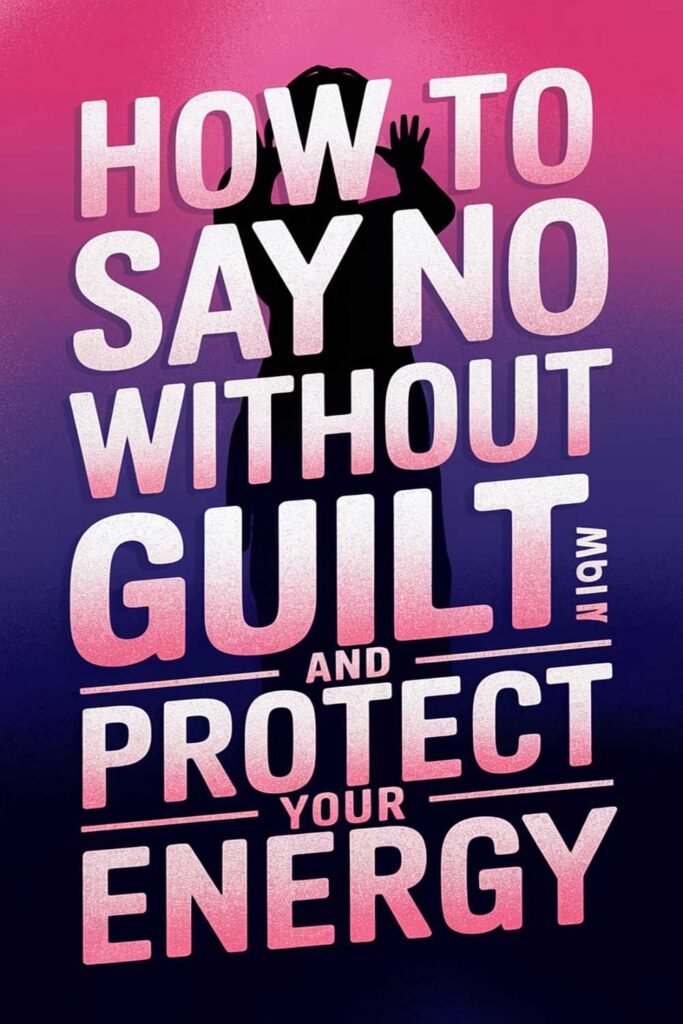
4. Learn to Say No Without Guilt
Saying no is a vital skill for maintaining boundaries. You don’t owe anyone an explanation for prioritizing your well-being.
Example: “I’d love to help, but I have other commitments right now.”
5. Recognize and Address Boundary Violations
When someone crosses a boundary, address it promptly. Remaining silent can lead to repeated violations and frustration.
Example: “I feel uncomfortable when you discuss my personal life at work. I’d appreciate it if we kept those topics private.”
6. Surround Yourself with Supportive People
Healthy relationships respect boundaries. Surround yourself with people who value your needs and reciprocate respect.
7. Adjust Boundaries as Needed
As life changes, so do our boundaries. Regularly reassess your limits and adjust them to fit your evolving needs.
Overcoming Guilt and Fear When Setting Boundaries
Many people struggle with setting boundaries due to fear of rejection or guilt. However, boundaries are not about pushing people away—they are about fostering healthier interactions.
How to Overcome These Feelings:
- Remind yourself that your needs matter. Prioritizing your well-being is not selfish—it’s essential.
- Recognize that saying no doesn’t mean you don’t care. It simply means you are respecting your limits.
- Start small. Practice setting minor boundaries before tackling more significant ones.
- Seek support. Talking to a therapist or trusted friend can provide guidance and reassurance.
Picture This…
Imagine a life where your personal space is respected, your emotional well-being is protected, and your time is valued. You feel in control of your life, free from unnecessary stress and resentment. You build healthier relationships based on mutual respect and understanding.
Now, picture the opposite—a life where you constantly feel drained, overextended, and taken advantage of because you’re afraid to say no. Which reality do you want to live in?
Setting boundaries isn’t about shutting people out—it’s about creating a healthy balance that allows you to thrive. When you set clear boundaries, you empower yourself to cultivate stronger, more fulfilling relationships.
Please Share This Article
If this article resonated with you, share it with friends, family, or anyone who struggles with setting boundaries. Let’s create a world where healthy boundaries are celebrated and respected!